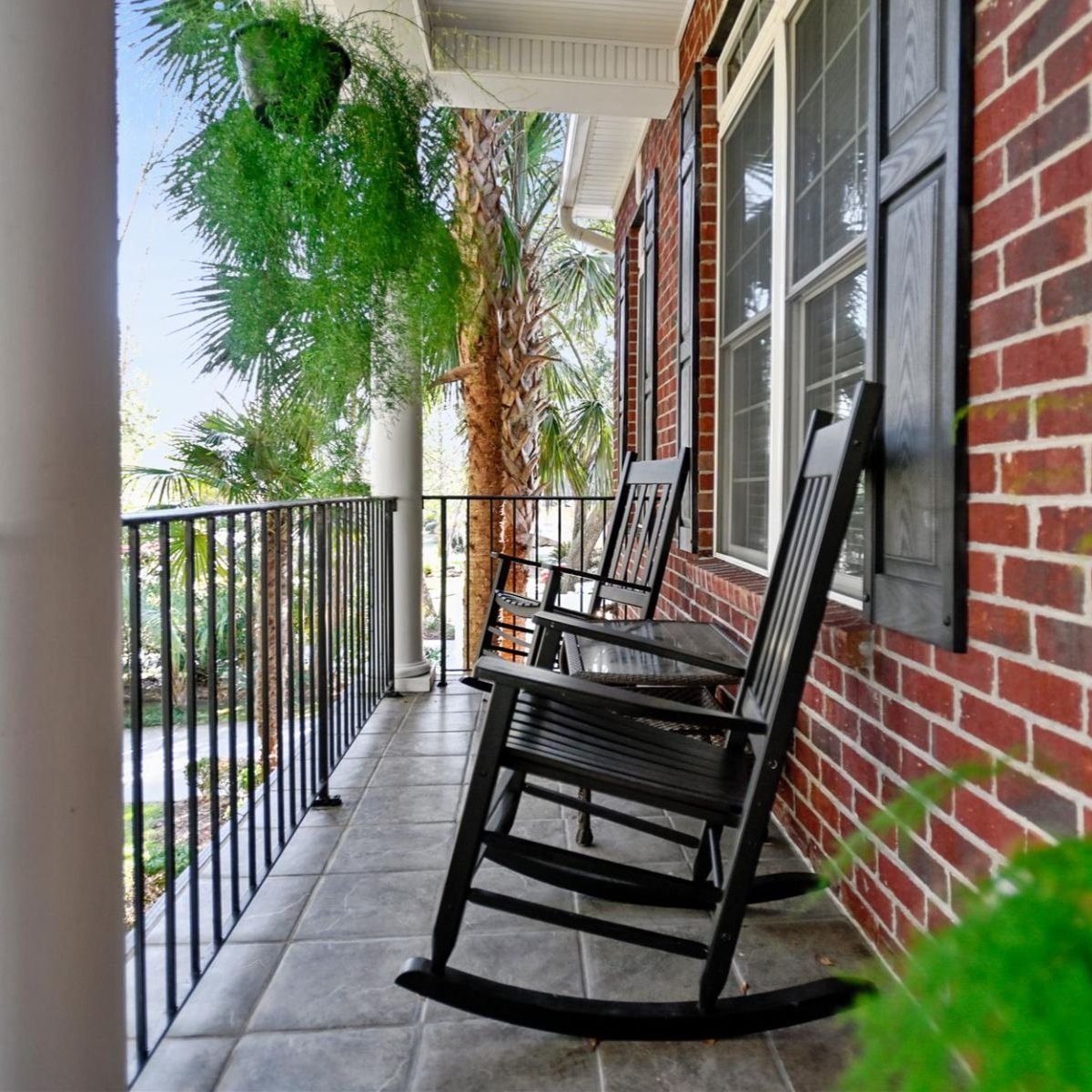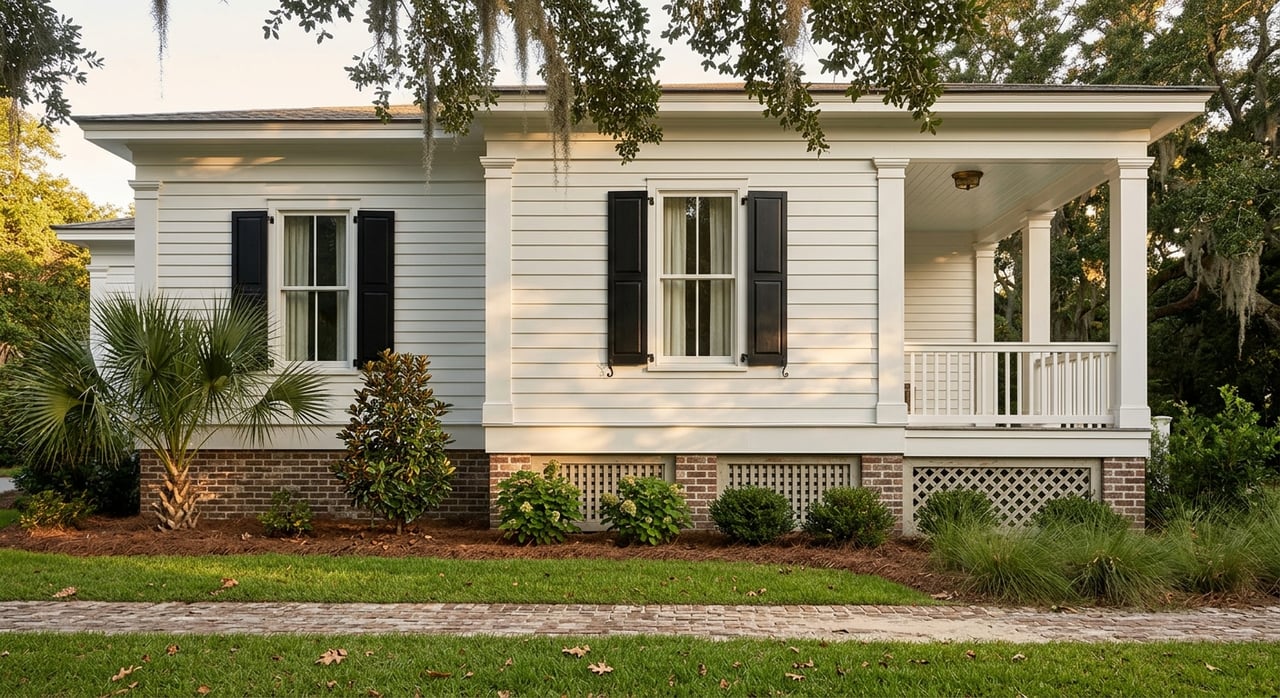
Dreaming about a Sullivan’s Island beach cottage? It is easy to picture the porch, the salt air, and quick walks to the beach. What surprises many buyers is that this small island market comes with limited inventory, detailed local rules, and more property-specific research than a typical home purchase. If you know what to expect before you make an offer, you can move with more confidence and avoid costly missteps. Let’s dive in.
Why Sullivan’s Island Feels Different
Sullivan’s Island is not a broad, high-turnover beach market. The town says the island is about 2.5 miles long and about 0.5 mile wide at its widest point, with roughly 2,000 acres of high ground and 1,100 acres of marshland. Its zoning framework is designed to preserve low-density residential character, protect historic character, and keep development in scale with the island.
That matters because supply is naturally limited. The zoning code explains that the original zoning concept was based on one-half-acre lots and one single-family dwelling per lot. In plain terms, you should expect fewer options and a market where each property has its own story.
Recent market numbers show how specialized this market is. Redfin reports a median sale price of $4.7 million for the three months ending May 2026, with a median of 85 days on market and 13 homes sold in May. The reported sale-to-list ratio was 96.5%, with homes averaging about 5% below list price.
What That Means for You as a Buyer
On Sullivan’s Island, patience and preparation matter just as much as budget. You may wait for the right cottage, and when it appears, you need to be ready to look closely at flood details, permit history, and renovation limits. A fast offer is not always the same thing as a smart offer.
This is one of those markets where a clean, organized buying process can make a real difference. You want to know early what you can insure, what you can change, and what the town may require after closing. That is especially true if you are buying an older cottage or a property with rental plans.
What to Expect From an Older Beach Cottage
Many Sullivan’s Island cottages have the charm buyers want most. At the same time, older coastal homes often come with practical questions about condition, code history, and future updates. The town’s rules on setbacks, lot coverage, building size, and massing can directly affect what you may be able to do later.
A standard home inspection is important, but it is rarely the whole story here. For an older beach cottage, your due diligence should also focus on elevation, foundation condition, roof age and wear, moisture intrusion, drainage, and signs of storm-related stress. You should also verify whether past additions or repairs were properly permitted.
Ask for These Records Early
Getting key documents up front can save you time and help you make a more informed decision. The town says elevation certificates may already be on file, and Charleston County is also referenced as a source for elevation certificates and flood-zone lookup.
Here are some of the most important items to request early:
- Flood zone information
- Elevation certificate
- Permit history
- Records of prior additions or exterior work
- Any information on historic designation or district status
The Building Department also notes an important detail many buyers miss. If a previous owner received a building permit to improve the structure within the prior three years, you may not be able to complete the improvements you originally had in mind. That is a big reason to check permit history before you get too far into planning.
Historic Rules Can Shape Your Plans
Sullivan’s Island has a strong preservation framework. The town says it is home to four National Register districts and three local historic districts. If a property is designated historic, changes to that property require a Certificate of Appropriateness, which the town describes as a zoning permit.
The Design Review Board reviews and approves new construction and renovations within the town’s commercial and residential districts. If you are picturing a quick exterior facelift or a major rework after closing, you will want to confirm what kind of review may apply. Historic status and design review are not small details here. They can shape your timeline, budget, and scope of work.
Renovation Potential Is Not Unlimited
A cottage may look like it has easy expansion potential, but island rules can narrow your options. Setbacks, lot coverage, and compatibility standards all matter. In some cases, limited modifications may be possible, but the town’s framework is built around preserving neighborhood scale and character.
This does not mean you cannot improve a home. It means you should avoid assuming that a lot can support the addition, pool, relocation, or exterior changes you want. On Sullivan’s Island, renovation dreams should always be matched with local verification.
Flood Risk Is Part of Ownership
Flood risk is one of the biggest practical realities of owning on Sullivan’s Island. The town says the entire island is within a Special Flood Hazard Area. Its flood information also notes that the current Flood Insurance Rate Map became effective on January 29, 2021, and that much of the island commonly falls in AE and VE zones, with oceanfront property often in VE zones.
For you, that means flood insurance should be part of the conversation from the start. The town states that standard homeowners insurance does not cover flood damage, that flood insurance is available, and that there is typically a 30-day waiting period before coverage takes effect. Waiting until the last minute can create stress and limit your options.
The town also participates in the National Flood Insurance Program and the Community Rating System. Because of that floodplain-management participation, residents receive some premium discount. Even so, insurance costs and coverage structure should be discussed early with your insurance professional.
Storm Exposure Requires Early Planning
The island’s hurricane-preparedness guidance makes the risk picture clear. Sullivan’s Island faces storm surge, high winds, rainfall-induced flooding, and tornadoes, and the island is within the storm-surge zone. That does not mean buying here is a bad idea. It means coastal ownership requires realistic planning.
Before you get deep into a contract, it helps to talk through flood coverage, wind coverage, and whether excess flood coverage may be worth discussing. This is one of the most important parts of buying a beach cottage because it affects both monthly carrying costs and long-term peace of mind.
Rental Rules Are a Big Deal
If you are buying with rental income in mind, pay very close attention to the town’s vacation-rental rules. The ordinance says a vacation-rental license and zoning compliance certificate are not transferable to a new owner. A new owner must apply within 30 days of transfer or before the first rental.
The rules also require a 24/7 contact person, off-street parking for tenant vehicles and trailers, occupancy limits, and a minimum rental term of three continuous nights. The ordinance also prohibits larger social events on the property above the stated occupancy limit. If rental use is part of your plan, verify the current requirements before you buy.
Daily Beach Life Has Local Rules Too
Owning on Sullivan’s Island also means living with town rules that shape day-to-day beach use. The town prohibits alcohol on streets, boardwalks, and beaches. It also bans glass, plastic, and polystyrene containers on the beach.
Motorized vehicles are not allowed on beach paths or beaches. Smoking is banned on the beach, beach access paths, and public spaces. These rules are useful to know ahead of time, especially if you are imagining a second home for frequent guests or future renters.
Local Rules Can Change
Another thing to expect is an evolving planning environment. The town’s Planning and Zoning page lists recent setback changes, and the comprehensive plan was adopted in March 2025 after its 5-year review. In a place like Sullivan’s Island, older listing remarks or secondhand assumptions may not reflect current rules.
That is why current verification matters so much. If you are considering a property for renovation, rental use, or long-term holding, you want fresh information, not old assumptions.
Why Coordination Matters So Much Here
Sullivan’s Island purchases often involve more moving parts than a typical home search. The town’s Building Department says permits are required for repairs and improvements, that permit applications and inspections go through the town portal, and that any buyer or real estate agent assisting with a purchase is strongly advised to contact the Building Official before buying.
That guidance says a lot about the market. A smooth purchase here often depends on early coordination between your agent, lender, inspector, surveyor, insurance professional, attorney, and town staff. When everyone is communicating early, you are in a better position to understand risk, confirm your plans, and move forward with fewer surprises.
A Smart Way to Approach Your Search
If you are serious about buying a Sullivan’s Island beach cottage, go in with clear priorities. Decide what matters most to you, whether that is historic charm, easier maintenance, rental potential, renovation upside, or a specific location on the island. Then be ready to weigh those goals against flood exposure, insurance costs, permit history, and design limits.
This is not a market where you want to fall in love with a house before understanding the paperwork behind it. The right cottage can be an incredible purchase, but the best outcomes usually come from patient, local, detail-focused guidance.
If you are thinking about buying on Sullivan’s Island and want a hands-on, neighborhood-savvy approach, Andrew Scherl can help you sort through the details, coordinate the moving parts, and search with confidence.
FAQs
What should you expect when buying a Sullivan’s Island beach cottage?
- You should expect limited inventory, high price points, and more due diligence around flood zones, permits, historic review, and renovation limits than in a typical home purchase.
What documents should you request for a Sullivan’s Island cottage?
- Ask early for the flood zone information, elevation certificate, permit history, and any records related to prior additions, repairs, or historic designation.
What flood insurance issues matter on Sullivan’s Island?
- The entire island is within a Special Flood Hazard Area, standard homeowners insurance does not cover flood damage, and there is typically a 30-day waiting period before flood coverage takes effect.
What should you know about renovating a Sullivan’s Island cottage?
- Renovation plans may be affected by setbacks, lot coverage, design review, historic preservation rules, and prior permit activity, so verify your options before buying.
What should you know about vacation rentals on Sullivan’s Island?
- Vacation-rental licenses and zoning compliance certificates are not transferable to a new owner, and local rules include application timing, occupancy limits, parking requirements, and a minimum three-night rental term.