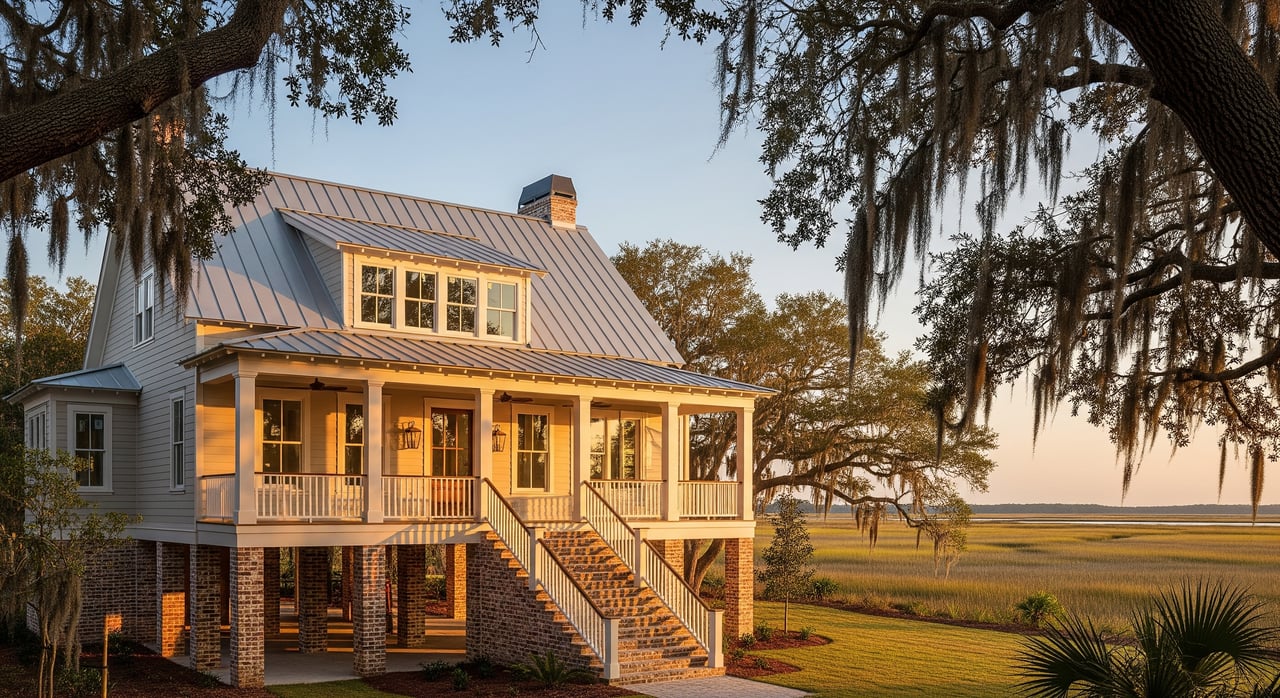
Buying on Johns Island comes with stunning marsh views, moss-draped oaks, and a coastal climate that keeps you outdoors year-round. It also means your home inspection needs to go a step beyond the basics. If you want confidence before you close, you need a clear plan for inspections, coastal risks, timelines, and how to use your report to negotiate smartly. This guide shows you what to expect in South Carolina, what to watch for on Johns Island, and the next steps to protect your investment. Let’s dive in.
What a home inspection covers
A general home inspection is a non-invasive, visual evaluation of readily accessible systems and components. It identifies material defects and safety hazards. It is not a code compliance review or a guarantee of future performance.
Most inspectors follow recognized standards such as the ASHI Standards of Practice or InterNACHI’s Standards of Practice. You should expect a clear, photo-rich written report after the inspection.
What’s typically included:
- Roof covering, flashing, gutters, and visible penetrations
- Exterior siding, trim, doors, windows, attached decks and porches
- Visible foundation, piers, beams, columns, floors, walls, and ceilings
- Attic, insulation, and ventilation where accessible
- Interior systems: visible plumbing, electrical service and distribution, HVAC operation, and built-ins as agreed
- Crawlspaces/basements for moisture and structure
- Attached garages, stairs, handrails, and basic safety items
- Fireplaces and visible chimney components
Common exclusions or optional add-ons:
- Termite/WDO inspection and official WDO report
- Mold or air quality testing
- Radon testing
- Lead paint or asbestos testing
- Sewer camera scope
- Well water testing and septic system performance checks
Inspector credentials to look for:
- ASHI or InterNACHI membership/certification
- Current E&O insurance
- Local experience with Charleston-area coastal construction
Coastal risks on Johns Island
Johns Island sits in the Lowcountry’s humid, coastal environment. Salt air, high humidity, and proximity to tidal creeks create unique wear patterns and risks. Ask your inspector to pay special attention to these areas.
Flood zones and elevation
- Confirm the property’s FEMA flood zone using the FEMA Flood Map Service Center. Ask whether an Elevation Certificate exists.
- Look for elevated foundations, flood vents, and utilities raised above base flood elevation.
- Check for signs of past flooding and proper placement of mechanical systems.
Foundations and grading
- Elevated homes often sit on pilings or piers. Inspectors should evaluate pilings, sill plates, and connections for rot, corrosion, or settlement.
- Slab-on-grade homes near marshes need careful review of grading, drainage, and any settlement.
Bulkheads, docks, and seawalls
- Marine structures see storm damage and marine borer exposure. A marine or structural specialist should evaluate long-term condition and permitting if these features are present.
Moisture, rot, and mold
- High humidity can lead to wood rot, blistering paint, and mold in attics and crawlspaces. Look for staining, soft wood, musty odors, and poor ventilation. For background on moisture and health, review the EPA’s mold resources.
Termites and WDOs
- The Lowcountry has a high risk of subterranean termites, including Formosan termites. A separate WDO inspection and report is common. Learn more from Clemson Cooperative Extension’s termite guidance.
Salt-air corrosion and HVAC
- Salt accelerates corrosion on exterior fasteners, flashing, and HVAC units. Inspectors should note corrosion on condensers and lines and confirm proper condensate drainage. Exterior compressors should be elevated and protected where appropriate.
Drainage and stormwater
- Poor grading or downspout routing can cause chronic moisture issues. Inspectors check swales, gutters, and discharge points, and look for erosion along marshfront areas.
Roofs and wind exposure
- Coastal wind and salt stress roofing materials. Inspectors evaluate age, condition, and installation details for asphalt shingle, metal, or other roof types.
Pools, septic, and wells
- Many properties use private septic systems or wells. These require separate evaluations. For regulations and guidance, see SCDHEC’s onsite wastewater resources.
Historic or older homes
- Older houses may raise concerns like lead paint, asbestos, or older wiring types. Specialty testing is recommended when age or materials suggest risk.
Timelines, costs, and logistics
Inspection contingency periods are typically negotiated in your contract and often run 7 to 14 days. Confirm your exact deadline and schedule early, especially in busy seasons.
What to expect:
- Scheduling: Most inspectors can visit within a few days to a week of your request.
- On-site time: Plan for about 2 to 4 hours depending on size, age, and coastal features.
- Report delivery: Many inspectors send a full report within 24 to 72 hours. Ask for timing at booking.
- Add-ons: WDO can often be done the same day. Radon testing takes about 48 hours. Water tests and lab work take several days.
- Costs: Fees vary by size and age of the home and by add-ons. Get written estimates from 2 to 3 local, certified inspectors and confirm travel fees for Johns Island.
Sorting findings and negotiating repairs
Your inspection report will be long. Use a simple priority system to stay focused and strategic.
- Immediate safety hazards
- Examples: exposed live wiring, gas leaks, major structural instability, active leaks threatening the structure, or stair/egress hazards. These typically warrant correction before closing.
- Major system failures or near-term replacements
- Examples: non-functioning HVAC in peak season, failing roof with active leaks, significant foundation issues, or septic failure. Consider repair, credit, or price adjustment.
- Moisture and pest issues
- Examples: active termite activity, extensive wood rot, or significant mold. Secure specialist evaluations and treatment/remediation estimates.
- Electrical/fire safety upgrades
- Examples: missing GFCI/AFCI where needed, overloaded panels, or outdated wiring. Negotiate fixes based on severity.
- Maintenance and cosmetic items
- Examples: minor roof wear, gutter tune-ups, paint, small plumbing leaks, or HVAC servicing. Consider asking for credits rather than punch lists of minor repairs.
Smart negotiation moves:
- Prioritize life-safety and major function first.
- Get written estimates or engineer reports for large or unclear issues.
- Use licensed specialists for termite treatment, structural concerns, marine structures, or septic systems.
- Consider your options: seller repairs before closing, repair credits or price reduction, escrow holdback, or cancel within your contingency if defects are unacceptable.
- Document everything using your South Carolina repair addendum forms and consult your agent or attorney before signing amendments.
Extra inspections to consider
- WDO/Termite inspection: Strongly recommended in the Lowcountry; request an official WDO report and clearance when applicable. See Clemson’s termite guidance.
- Flood and insurance review: Confirm FEMA flood zone and ask for an Elevation Certificate if available using the FEMA Flood Map Service Center. Contact insurance early for premium estimates on coastal properties.
- Structural engineer: If movement, settlement, or piling issues are flagged, get a licensed engineer’s scope and repair plan.
- Marine contractor: For bulkheads, seawalls, docks, or erosion concerns along tidal creeks, seek a specialist review and permit history.
- Sewer scope: Recommended for older lines or tree-heavy lots.
- Well water and septic: Order water quality testing and a septic inspection or pump-out as needed. Review SCDHEC onsite wastewater guidance.
- Radon test: The EPA recommends testing in all homes; coastal areas can vary and testing is the only way to know. See EPA radon guidance.
- Lead/asbestos testing: For pre-1978 homes or suspect materials, hire specialty testers.
Simple Johns Island checklist
Before inspection
- Confirm your inspection contingency deadline in the contract.
- Book a certified local inspector with coastal experience and request needed add-ons.
- Ask for sample reports to confirm clarity and photos.
At the inspection
- Attend if you can. Ask about elevation, pilings, corrosion, drainage, and any marine structures.
- Request clear photos and severity ratings for each issue.
After the report
- Review promptly. Secure bids or engineer reports for big-ticket items.
- Prioritize safety, structure, pests, and flood-related issues in repair requests.
- Decide on repairs versus credits, and document using proper South Carolina forms.
Permits and records
- Confirm permit history for major renovations through Charleston County Building & Inspections and Floodplain Management.
Insurance and financing
- Get flood insurance quotes early and confirm any lender requirements. Some loans require flood certifications and WDO documentation.
Final thoughts and next steps
A thorough inspection strategy on Johns Island goes beyond the basics. By confirming flood risks, checking coastal wear, and bringing in the right specialists, you can negotiate from a position of strength and close with confidence. If you want help coordinating inspections, reviewing reports, and crafting a smart repair request, reach out to Andrew Scherl for local guidance tailored to Johns Island.
FAQs
What does a South Carolina home inspection include?
- A licensed inspector performs a visual, non-invasive review of accessible structures, systems, and safety items following standards like ASHI or InterNACHI, then delivers a photo-rich report.
How long do Johns Island inspections and reports take?
- Most inspections take 2 to 4 hours, and many inspectors provide written reports within 24 to 72 hours; schedule early to meet your contingency window.
Do I need a termite (WDO) inspection in the Lowcountry?
- Yes, the area has high termite pressure, including Formosan termites; a separate WDO inspection and report is common and often requested by lenders.
How do flood zones affect buying on Johns Island?
- Flood zones influence insurance costs and mitigation needs; verify your zone using the FEMA Flood Map Service Center and ask for an Elevation Certificate if available.
Should I test for radon near the coast?
- The EPA recommends testing in all homes because levels vary by property; a 48-hour radon test is the only way to know your home’s level, even in coastal areas.