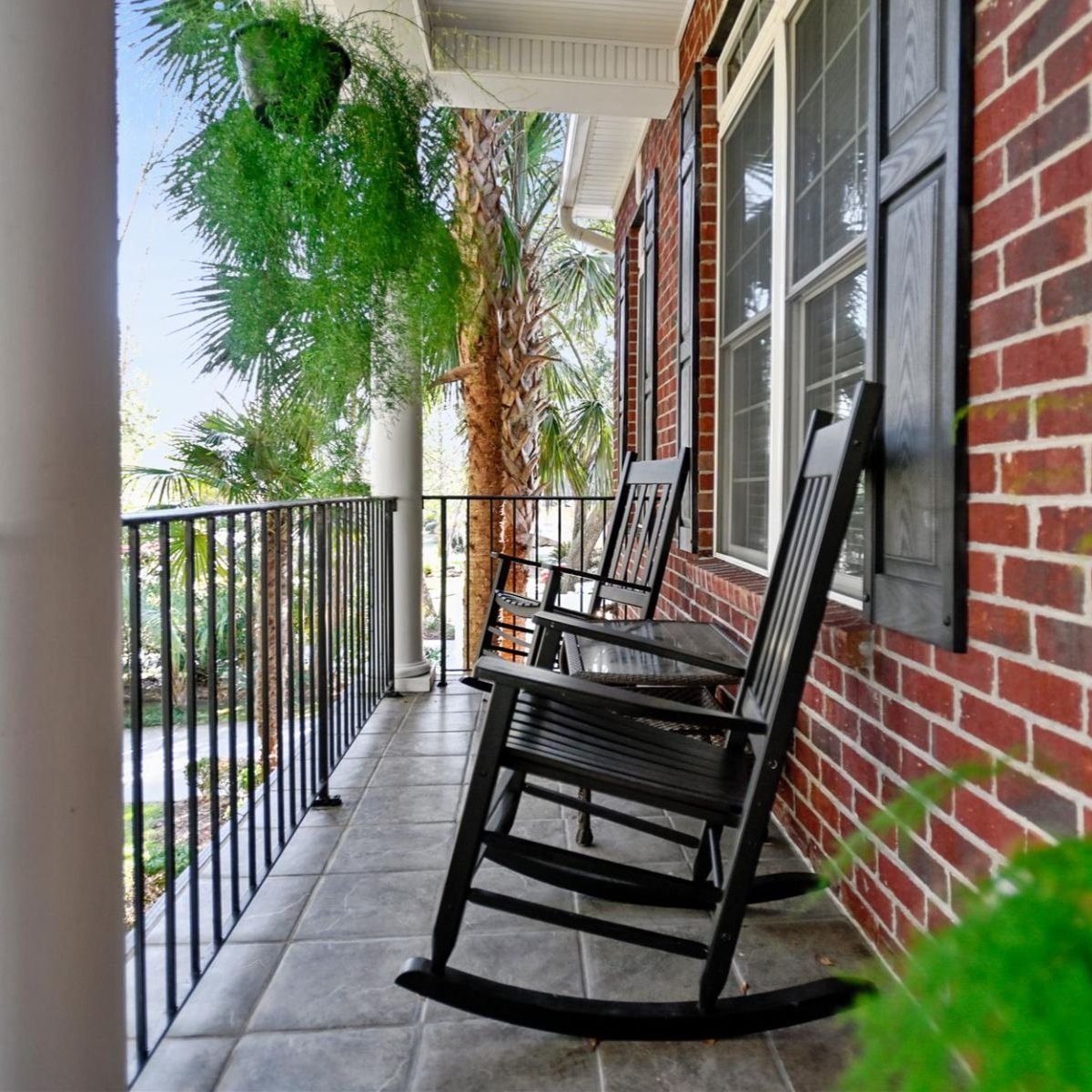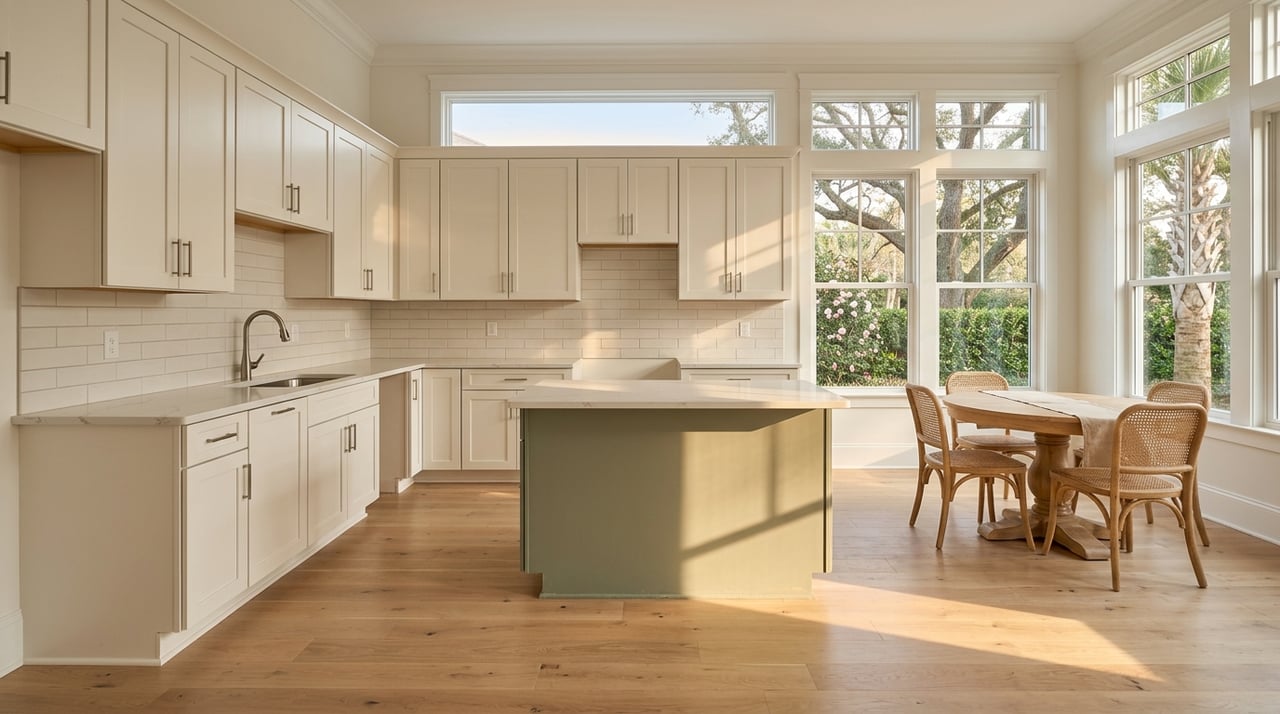
If you have started touring new construction on Johns Island, you have probably already noticed something important: not all communities, lots, or builders are offering the same experience. One neighborhood may focus on large homesites and preserved land, while another leans into lakefront lots, quick move-ins, or more personalized floor plan options. When you know what to compare beyond the sticker price, you can make a much smarter decision. Let’s dive in.
Why builder comparisons matter on Johns Island
Johns Island new construction is not one-size-fits-all. Current examples in the market show a wide range of community styles, including estate-oriented neighborhoods with preserved acreage, smaller lakefront enclaves, and townhome or single-family communities with different price points and timelines.
That means the lowest advertised price does not always equal the best value. A better comparison looks at the homesite, what features are included, what stage the home is in, and what support you can expect after closing.
Start with the homesite
On Johns Island, the lot itself can have a big impact on your day-to-day experience. Builders in current communities are marketing very different site conditions, from oversized homesites with mature live oaks to elevated lakefront lots and homesites designed for outdoor living.
Before you compare floor plans, compare how the lot will actually live. Privacy, view, sun exposure, setback from neighbors, drainage patterns, and the possibility of future nearby development can all affect long-term satisfaction.
What to look at on each lot
When you walk a homesite, ask practical questions and picture your daily routine there. A beautiful plan on the wrong lot may not feel as good a year from now.
Use this checklist as you compare:
- Privacy from neighboring homes
- Front and backyard orientation to sunlight
- View lines from main living spaces
- Drainage and grading around the lot
- Elevation and any flood-related considerations
- Distance from roads, amenities, or preserved land
- Space for outdoor living you may want later
Why drainage and elevation matter more here
Charleston County states that Johns Island in the unincorporated county is a Stormwater Special Protection Area. Development must follow county stormwater permitting standards and, depending on the project, additional criteria.
For you as a buyer, that makes lot-level due diligence especially important. A homesite with a strong view or premium location may still carry higher long-term costs or concerns if flood zone status, elevation, grading, or drainage are less favorable.
Compare standard features versus upgrades
One of the biggest new-construction mistakes buyers make is comparing model homes to base prices. Builders may showcase upgraded finishes, added design options, or room conversions that are not included in the starting price.
On Johns Island, builders currently show different approaches to personalization. Pulte outlines a formal design appointment process for selecting fixtures and finishes room by room, while Stanley Martin notes that buyers can personalize homes and, in some cases, convert a recreation room into a fourth bedroom.
Ask these upgrade questions early
To make a fair comparison, ask each builder the same set of questions. This helps you understand the real delivered cost of the home, not just the advertised number.
Ask for clarity on:
- What is included in the base price
- What structural options are available
- Which design selections cost extra
- What features shown in the model are upgrades only
- Whether lot premiums apply
- Whether current inventory homes already include selected upgrades
A move-in-ready or move-in-soon home may include features you would otherwise pay extra to add. On the other hand, a to-be-built home may give you more control over selections if timing allows.
Review the build stage and timeline
Not every new home gives you the same level of choice. Some Johns Island homes are still early enough in construction for design input, while others are already under construction or move-in soon, which usually means many selections have already been made.
That is why build stage should be part of every builder comparison. If personalizing finishes matters to you, a later-stage inventory home may feel limiting. If speed matters more, quick move-in inventory could be the better fit.
What the timeline can include
Pulte describes a 10-step build process that includes an introductory meeting, inspections, a pre-drywall walkthrough, and a pre-closing orientation typically one to two weeks before closing. That kind of process detail can be helpful when you are comparing communication style and buyer involvement.
As you compare builders, ask:
- How far along is the home today?
- What selections, if any, are still available?
- What walkthroughs are included?
- What is the estimated closing window?
- How are construction updates communicated?
A builder with a clear timeline and defined buyer touchpoints can make the process feel much more predictable.
Understand the warranty and service process
A home warranty is only helpful if you understand what it covers and how service works after closing. Warranty terms, exclusions, and service procedures can differ by builder and even by community.
Current examples on Johns Island show real variation. Pulte advertises a 10-year limited structural warranty and a first-year checkpoint after closing, while New Leaf Builders states a 1-year workmanship-and-materials warranty. Stanley Martin maintains a warranty resource page buyers should review in the community packet before signing.
Questions to ask about warranty coverage
Do not stop at asking whether a warranty exists. Ask how the warranty actually works in practice.
Focus on:
- Length of structural coverage
- Length of workmanship and materials coverage
- What items are excluded
- How service requests are submitted
- Expected response times
- Whether there are scheduled post-closing checkups
Written terms matter more than sales language. It is worth reading the warranty documents carefully before you commit.
Verify builder licensing and reputation
South Carolina gives you a straightforward starting point for builder due diligence. The South Carolina Residential Builders Commission licenses residential builders and home inspectors and investigates complaints.
That makes license verification a basic first step. It also helps to ask for references, examples of recent local deliveries, and realistic expectations for warranty response after closing.
A simple builder due diligence list
As you narrow your options, review each builder with the same lens:
- Verify the builder’s South Carolina license
- Ask about recent Johns Island or Charleston-area deliveries
- Review written warranty materials
- Ask how post-closing service is handled
- Compare communication during construction
- Check whether the builder has homes available at different build stages
This approach keeps your comparison focused on facts instead of just presentation.
Look closely at flood and stormwater factors
This is one of the most important parts of comparing new construction on Johns Island. Charleston County notes that flood damage is not covered by a standard homeowner’s policy and that separate flood coverage is required for flood peril coverage.
The county also directs residents to Flood Services for flood-zone determinations and notes that elevation certificates are maintained for some new construction in unincorporated areas. In practical terms, a homesite that looks ideal at first glance may become less appealing if flood-related costs or drainage concerns are significantly higher.
Questions to ask about flood-related risk
When you compare lots, ask for details that help you understand both the property and future ownership costs.
Consider asking:
- Is the lot in a flood zone?
- Is an elevation certificate available?
- How is stormwater managed in this section of the community?
- What can the builder share about grading and drainage?
- Are there any community-specific requirements tied to the lot?
These are not small details on Johns Island. They can affect cost, comfort, and resale over time.
Know how a buyer’s agent can help
When you buy new construction, the builder has its own sales team and contract forms. That does not mean you have to compare everything on your own.
A buyer’s agent can help you evaluate homesites, review builder contracts, track upgrade decisions, attend walkthroughs, and coordinate independent inspections where appropriate. Just as important, buyer representation should be treated as a documented service relationship with services and compensation clearly defined in writing.
For many buyers, this matters most when comparing similar communities that look great on the surface but differ in lot quality, warranty terms, upgrade structure, and timing. Having a local guide can help you slow down and compare what really matters.
How to compare builders side by side
If you are deciding between multiple Johns Island communities, create a simple scorecard. This keeps your decision grounded in value instead of emotion.
You can rank each builder and community on:
- Lot quality and orientation
- Included features at base price
- Upgrade costs and flexibility
- Construction stage and timing
- Warranty coverage
- Flood, elevation, and drainage factors
- Communication process
- Overall fit for your goals
The best builder for you may not be the one with the flashiest model or the lowest starting price. It is usually the one that gives you the best combination of location, lot, clarity, and confidence.
If you want help sorting through Johns Island new construction communities, comparing builder contracts, or walking through lot-specific concerns, Andrew Scherl offers hands-on local guidance to help you buy with more clarity and less stress.
FAQs
What should you compare first in Johns Island new construction communities?
- Start with the homesite, including privacy, sunlight, drainage, elevation, and future surroundings, before comparing price alone.
What do upgrades mean in a Johns Island new construction home?
- Upgrades are features or finishes that cost more than the builder’s base price, and model homes may show many items that are not included.
What should you ask about a builder warranty in Johns Island?
- Ask what the written warranty covers, how long coverage lasts, what exclusions apply, and how post-closing service requests are handled.
Why does flood zone information matter for Johns Island new construction lots?
- Charleston County notes that standard homeowner’s insurance does not cover flood damage, so flood zone status, elevation, and drainage can affect both risk and ownership costs.
Can a buyer’s agent help with a Johns Island new construction purchase?
- Yes, a buyer’s agent can help compare builders, review contracts, attend walkthroughs, coordinate inspections, and keep the process organized from start to finish.