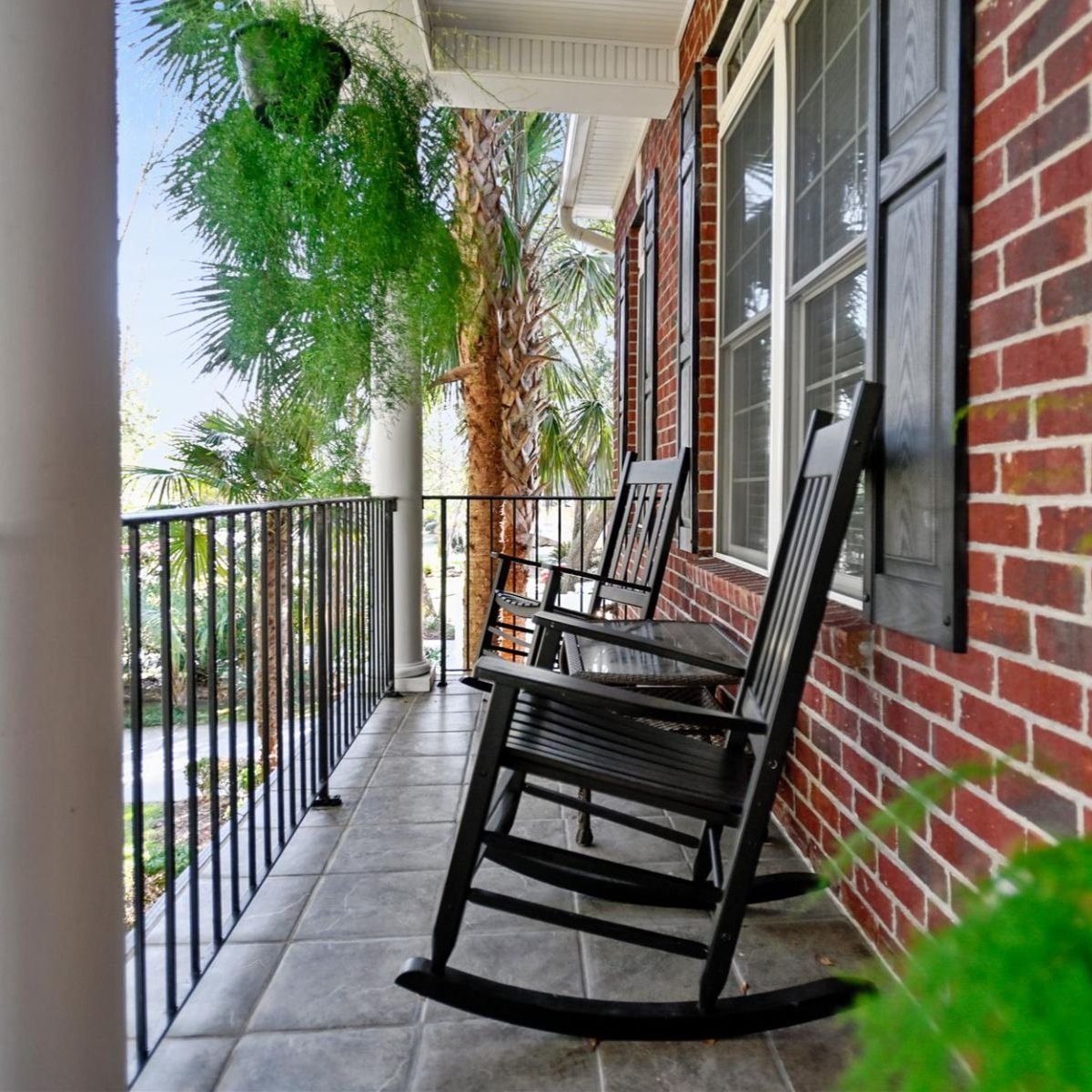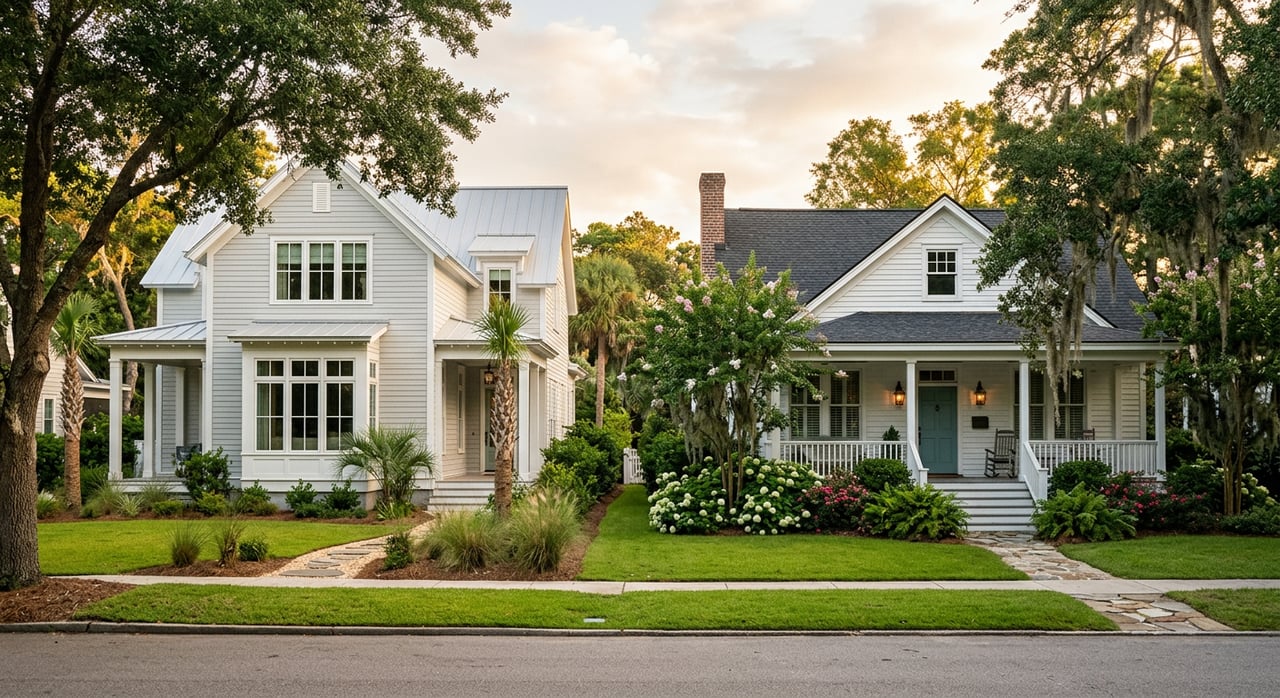
Torn between a shiny new build and the character of an older Mount Pleasant home? You are not alone. Each path offers real benefits in 29464, but the details around flood rules, HOA fees, energy use, and long-term costs matter. In this guide, you will learn how to compare new construction and older homes like a pro, with local insights and a simple due-diligence plan. Let’s dive in.
29464 market at a glance
Mount Pleasant’s 29464 sits at the higher end of the Charleston market, with a recent zip-level median near $1,185,000. You will see two clear options as you tour: newer master-planned sections north of Highway 17 with modern floor plans and layered HOA or regime fees, and established neighborhoods closer to Shem Creek and the Old Village that trade newer finishes for larger lots and mature trees. Both paths can make sense depending on your budget, commute needs, and appetite for maintenance. The key is knowing where costs and rules differ before you write an offer.
New construction: what to know
Warranties and inspections
Most builders provide tiered coverage, commonly called a 1-2-10 warranty. That typically means one year for workmanship, two years for certain systems, and ten years for qualifying structural defects. You should confirm whether the builder provides a third-party backed structural warranty and what is transferable to future owners. Review the coverage details directly with the provider using the guidance from the 1-2-10 model described by industry administrators at 2-10 Home Buyers Warranty.
Even brand-new homes can have punch-list items. Plan independent inspections at key stages if possible: pre-drywall, final walk, and an 11-month check before the one-year warranty ends. Document everything in writing and track builder responses. This protects you if a repair needs follow-up after closing.
Energy and code basics
“Newer” often means better, but not always. South Carolina’s baseline energy standards have historically aligned with older editions of the national energy code, so actual performance depends on the builder’s choices. Review the city energy-code context summarized by ACEEE’s Charleston profile and ask for concrete data like a HERS score, insulation R-values, window U-values, and HVAC specs.
If high efficiency matters to you, ask whether the home is certified to ENERGY STAR or similar programs and whether blower-door and duct testing were performed. You can also look at regional examples of high-performance homes through the U.S. Department of Energy’s Tour of Zero, which highlights local case studies in the Charleston area (DOE Tour of Zero example). Utility rebates can help you upgrade equipment or improve efficiency. Check current HVAC and related incentives from Dominion Energy South Carolina and factor those into your choices.
For added context on statewide code adoption and enforcement practices, you can consult the South Carolina Building Officials Guide, which outlines how the state aligns with national codes over time (SC Building Officials Guide).
Flood and elevation rules
Mount Pleasant updated its flood maps and ordinance in 2021. The Town’s guidance explains the new design flood elevation requirement at Base Flood Elevation plus two feet and the addition of a Coastal A Zone in some areas. New builds are commonly elevated with garage storage below. Always request an elevation certificate and confirm parcel-level details using the Town’s resources on Flood Protection and FIRMs.
Good news on premiums: Mount Pleasant participates in FEMA’s Community Rating System. A Class 6 rating can provide a 20 percent discount on NFIP premiums for eligible properties in Special Flood Hazard Areas, which can materially lower costs. Review the CRS details in Charleston County’s published table and verify how it applies to your parcel and policy with your insurer (CRS rating details).
HOA and neighborhood rules
Master-planned communities often include a master HOA plus sub-association or “regime” fees for townhomes and condos. These can cover amenities, exterior insurance, reserves, and maintenance. Older neighborhoods may have modest dues or none at all. Always read the full declarations, budgets, insurance certificates, and design-review rules to know exactly what is included and any restrictions on rentals or exterior changes. Some communities also collect a capital contribution or transfer fee at closing, which you should confirm in writing before you finalize your budget.
Older homes: what to know
Space and lot size
Many established neighborhoods in 29464 offer larger yards, mature landscaping, and flexible outdoor space. You may find quarter-acre to half-acre lots or larger, which can better accommodate gardens, play areas, or even a future pool if allowed by zoning. Street trees and shade are common benefits in these areas. If you plan to add an accessory structure or rework the yard, verify setbacks, tree protections, and any neighborhood review steps in advance.
Updates and efficiency
Older homes can carry higher utility bills if they lack modern insulation, windows, or efficient HVAC. The flip side is that upgrades let you tailor finishes and systems to your taste over time. Ask your inspector or contractor to ballpark improvements like attic air sealing, duct repairs, or a heat-pump upgrade. Pair those plans with potential utility incentives from Dominion Energy South Carolina to estimate savings.
Historic and design reviews
If you are shopping near Old Village or in areas with historic overlays, design guidelines can limit height, massing, or what you can build in the yard. This protects neighborhood character and can affect future plans for additions or detached buildings. Review the Old Village Historic District guidelines to understand how applications are evaluated and what timelines to expect (OVHD guidelines).
Yard size and outdoor use
Think through how you want to use your yard. Newer communities may offer smaller lots with neighborhood amenities like pools, trails, and playgrounds that offset private yard size. Older homes often provide larger backyards for gardening, pets, or potential pool sites. For any plan that changes structures or grade, verify HOA rules, town zoning, tree protections, and floodplain limits before you commit.
Commute and location tradeoffs
Commute times in Mount Pleasant vary widely by corridor and time of day. Northern sections rely on Highway 41 and I-526, where bottlenecks add variability at rush hour. Closer-in neighborhoods often shorten the drive to the Ravenel Bridge and the peninsula, especially off-peak. Map your daily routes at different times to compare reality across your top neighborhoods.
Total cost of ownership
Price is only one piece of the puzzle. Compare your true monthly and annual costs for each home on your shortlist.
- Mortgage and taxes. Run updated lender quotes for each address to compare all-in payments.
- Insurance. Request quotes for wind and flood coverage. Verify whether the parcel qualifies for CRS-based NFIP discounts in the county’s CRS listing and confirm with your insurer.
- HOA and regime fees. Newer master plans and attached homes can carry layered dues. Older areas may have low dues or none, but still review any voluntary associations.
- Utilities. Ask for recent utility history on resales and compare builder specs or HERS data on new homes. Use ACEEE’s Charleston profile as context for code baselines and consider Dominion Energy SC rebates when modeling upgrades.
- Maintenance and upgrades. New builds may carry lower near-term maintenance, though punch-list follow-through is common. Older homes may require phased updates. Price those projects before you commit.
Buyer due-diligence checklist
Use this quick checklist to compare a new build and an older home side by side.
- Get the builder spec sheet and allowances that list brands, model numbers, insulation R-values, window ratings, and HVAC efficiencies. You can browse active builders to frame your questions using resources like NewHomeSource’s builder listings.
- Confirm warranty coverage and transferability. Ask for the full warranty document and whether a third-party structural policy backs it. Review the common 1-2-10 framework with 2-10 Home Buyers Warranty.
- Plan phased inspections. Schedule pre-drywall, final, and 11-month warranty inspections for new builds. For resales, order a full home inspection and any needed specialist evaluations.
- Read HOA and regime documents. Review declarations, budgets, reserves, insurance coverage, design-review steps, rental rules, and any capital contributions or transfer fees.
- Verify flood exposure. Request an elevation certificate and confirm parcel-level flood zone using the Town’s Flood Protection resources. Ask your insurer to model premiums and deductibles.
- Check energy incentives. Ask for HERS or ENERGY STAR documentation if offered and confirm eligibility for Dominion Energy SC rebates.
- Confirm historic or overlay rules. If shopping near Old Village, read the OVHD guidelines to understand what is allowed.
How Andrew guides your choice
You deserve a calm, well-run process with clear answers. Andrew vets builders and resales, translates specs into real monthly costs, and keeps your contract and inspections on track. He will:
- Compare builder reputations, warranty participation, and past projects using sources like NewHomeSource and 2-10 Home Buyers Warranty.
- Clarify contract terms and timelines, including inspection rights, change-order pricing, milestone payments, and HOA fee responsibilities. He references common regional construction addenda and best practices from Realtor associations to protect your interests.
- Coordinate phased inspections for new builds and full inspections for resales, then track punch-list items through the builder warranty period.
- Pull HOA documents and town rules, including Mount Pleasant’s Short-Term Rentals guidance, so you know how rental limits or design reviews affect future plans.
- Model flood scenarios using the Town’s Flood Protection resources and the county’s CRS discount table, then coordinate quotes with your insurer and lender.
- Evaluate energy specs, highlight potential Dominion Energy SC rebates, and assemble an apples-to-apples monthly cost for your top homes.
If you want a neighborhood-savvy partner who sweats the details and makes this choice feel simple, connect with Andrew Scherl to get started.
FAQs
Is new construction more energy efficient in Mount Pleasant?
- Often yes, but performance depends on builder choices and testing. South Carolina’s baseline aligns with older codes, so ask for HERS scores or ENERGY STAR paperwork and review ACEEE’s Charleston profile for context.
Do I need inspections on a new build in 29464?
- Yes. Schedule pre-drywall, final, and 11-month inspections to catch punch-list and system issues while the builder’s warranty is active.
How do HOA and “regime” fees compare here?
- Older neighborhoods may have minimal dues, while master-planned and attached homes can carry layered HOA and monthly regime fees that cover amenities and exterior costs. Read declarations, budgets, and insurance certificates to know what you are paying for.
What should I know about flood insurance in Mount Pleasant?
- Verify parcel flood zone and request an elevation certificate using the Town’s Flood Protection resources; eligible properties in the SFHA may receive a 20 percent NFIP discount due to the area’s Class 6 CRS rating.
What is a 1-2-10 home warranty on new construction?
- It typically covers one year for workmanship, two years for certain systems, and ten years for qualifying structural defects; confirm specifics and transferability with the provider, such as 2-10 Home Buyers Warranty.