If your current home no longer fits the way you live, Summerville’s new construction options may be worth a closer look. Many move-up buyers want more than extra square footage. You may be looking for better flow, flexible rooms, outdoor living, and a neighborhood that feels easier to grow into over time. This guide will help you understand where new construction in Summerville stands today, what kinds of communities best fit a move-up purchase, and what to watch before you sign a contract. Let’s dive in.
Why Summerville Appeals to Move-Up Buyers
Summerville continues to grow, and that growth helps explain why new home communities remain a major part of the local housing picture. The town’s 2024 population was estimated at 52,625, up 3.5% from 2020. Summerville also spans parts of Dorchester, Charleston, and Berkeley counties, with access that keeps Charleston in the conversation for many buyers.
For move-up buyers, that matters because your decision is usually about tradeoffs. You may be willing to go a bit farther out if it means a newer home, more usable space, and a neighborhood with trails, parks, or nearby everyday conveniences. Summerville’s planning documents also point to transportation improvements and transit coordination, which makes commute access an important part of the buying decision.
The town’s housing stock is still heavily single-family, and much of the planned residential growth outside of Nexton remains focused on single-family homes. That makes Summerville especially relevant if your next step is a detached home with more room to spread out. At the same time, larger planned communities can offer a wider mix of home styles and lifestyle features than older resale neighborhoods.
Best New Construction Fit in Summerville
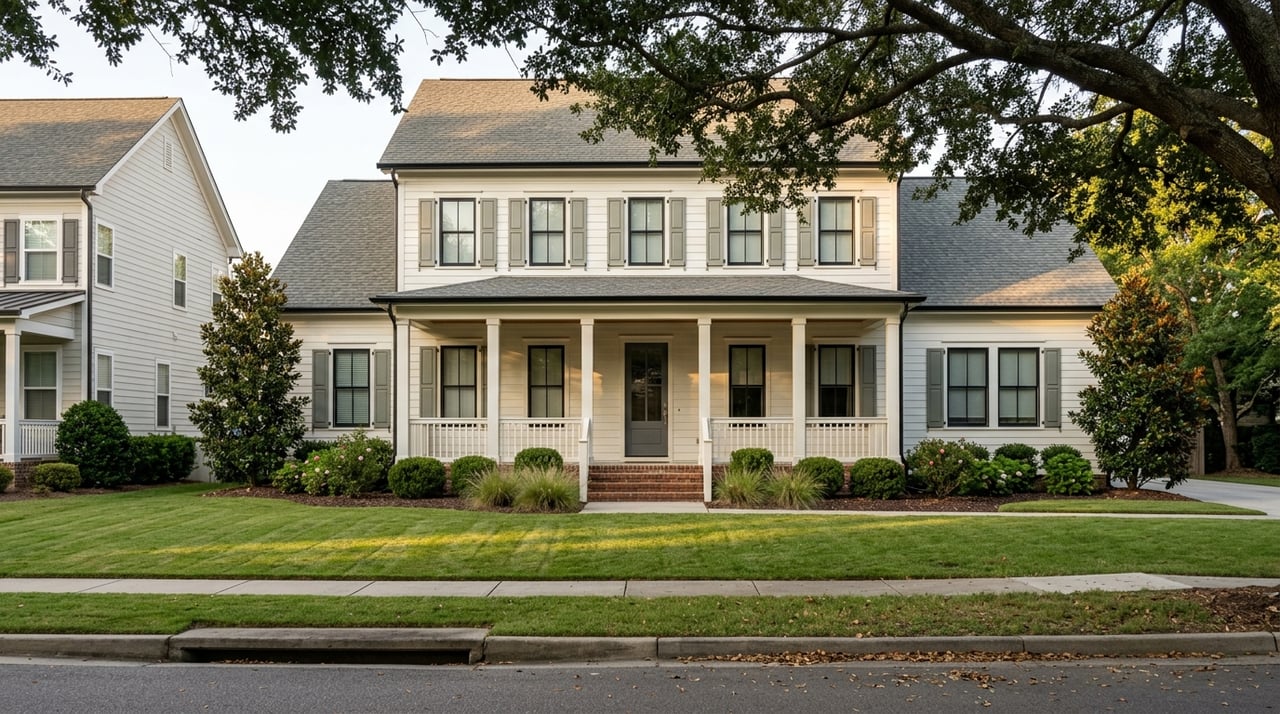
For many move-up buyers, the strongest fit is not a small stand-alone subdivision. It is usually a master-planned community. These neighborhoods tend to offer more variety in floor plans, amenities, and long-term appeal.
In Summerville, two names stand out in that conversation: Nexton and Summers Corner. Both are presented as large planned communities with multiple phases and a broader neighborhood concept beyond just homes. That can matter if you want your next move to feel like a lifestyle upgrade, not only a size upgrade.
Nexton for Connectivity and Variety
Nexton is positioned around access to Charleston by way of I-26, which can be a major factor if you still need regional commute options. The community highlights trails, parks, events, townhomes, multi-generational homes, semi-custom homes, 55+ homes, and a mix of retail and commercial uses inside the community. For a move-up buyer, that variety can create more options now and broader resale appeal later.
If your goal is to find a home that works better for a changing household, Nexton’s range of home types may be useful. You may want a guest suite, a home office, a loft for older kids, or a layout that supports multi-generational living. Communities with more floor plan diversity often make that easier.
Summers Corner for a Lowcountry Setting
Summers Corner presents itself as a master-planned community with a Lowcountry-oriented setting and new phases of homes. Access routes are framed through Summerville via 17A and from Charleston via Dorchester Road and 17A. If you are drawn to newer homes but still want a neighborhood experience built around outdoor character and a broader community plan, this type of setting may stand out.
For many move-up buyers, a neighborhood like this is appealing because it can feel more intentional than an isolated new build pocket. You are not just buying a house. You are also buying into how the streets, amenities, and phases may function over time.
Features Move-Up Buyers Should Prioritize
When you move up, the smartest upgrade is often better function, not just more square footage. The layouts that tend to matter most are the ones that make daily life easier.
Based on current builder design trends and what larger communities are offering, these are some of the features worth watching:
- First-floor primary suites
- Flex rooms for an office, playroom, or hobby space
- Lofts or bonus rooms
- Guest suites or multi-generational space
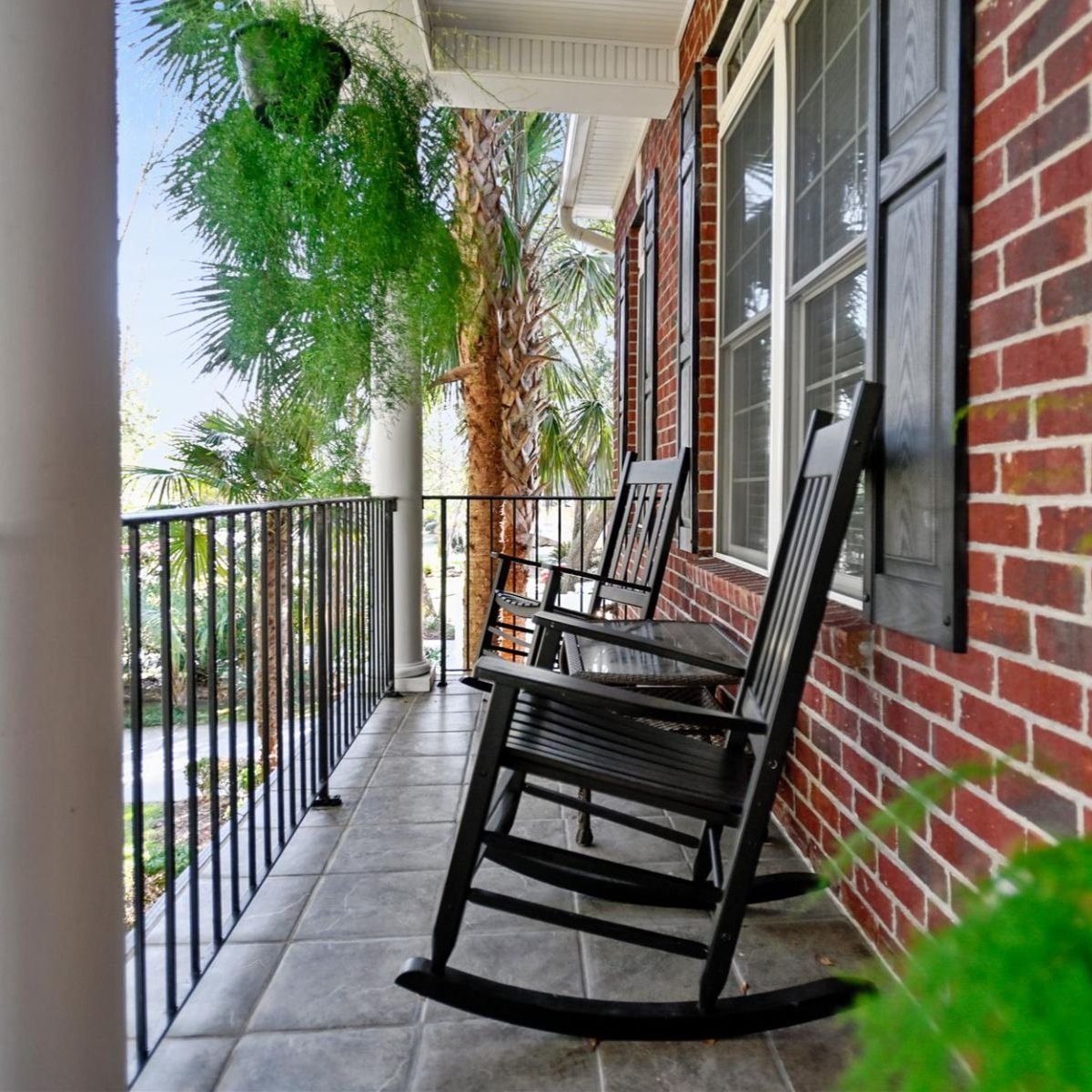
- Covered porches
- Patios, decks, or outdoor living areas
- Drop zones and practical storage areas
These features line up with what many buyers want from the next house: more flexibility without the cost or complexity of a fully custom build. If you are comparing plans, focus on how the space works from morning to night. A well-designed 2,700-square-foot home can live better than a larger one with wasted space.
How to Compare Communities Beyond the Model Home
It is easy to walk through a model home and picture your life there. That is exactly what it is designed to do. But a move-up purchase works best when you separate the polished presentation from the actual contract terms.
One current Summerville community disclosure notes that base pricing may exclude lot premiums, site costs, structural options, design upgrades, and other customizations. It also states that prices, incentives, amenities, and availability can change without notice. In simple terms, the home you tour is often not the home you get at the advertised base price.
Questions to Ask During Your Visit
Bring your attention back to what is real and what is optional. Ask direct questions like:
- What features are standard in this plan?
- Which finishes shown in the model cost extra?
- Is there a lot premium for the homesite I want?
- Are structural changes still allowed in this phase?
- What site costs should I expect?
- How long is the current build timeline?
- Have incentives changed recently?
Those answers can affect your budget more than the headline price. They can also help you compare one neighborhood to another on equal footing.
Builder Incentives Are Normal in This Market
If you are shopping new construction in Summerville, you should expect incentives to be part of the conversation. In April 2026, NAHB reported that 64% of builders were offering sales incentives and 37% were cutting prices. That means credits, upgrades, and rate-related offers are common enough to treat as standard negotiating territory.
You may see offers such as:
- Closing-cost credits
- Design center allowances
- Free or reduced-cost upgrades
- Temporary mortgage rate buydowns
- Preferred lender incentives
That does not mean every incentive is equally valuable. A flashy promotion can sound better than it really is if it raises your long-term costs somewhere else.
Look Past the Teaser Rate
A builder’s preferred lender may offer an attractive first-year payment, but that is only part of the story. The Consumer Financial Protection Bureau notes that interest rate is just one piece of the loan decision. Fees, points, mortgage insurance, and total closing costs also matter.
If you are comparing financing options, ask for Loan Estimates and review the full monthly payment, not only the advertised rate. A lower upfront rate may come with higher fees or other tradeoffs. If the builder is offering credits, those credits should also appear clearly in the transaction paperwork.
Temporary buydowns deserve extra attention. Fannie Mae guidance says temporary buydowns are allowed on fixed-rate mortgages and certain adjustable-rate mortgages, but the borrower must still qualify at the note rate, not the reduced initial payment. The rate reduction also cannot exceed 3%, and increases cannot exceed 1% per year.
That means a low first-year payment can help with short-term affordability, but it is not the same as a permanently lower-cost loan. If you are buying a move-up home, make sure the payment still feels comfortable after the buydown period ends.
What Supports Resale Potential in Summerville
No one can promise future resale value, but some neighborhood traits tend to support broader appeal. In Summerville, the strongest signs often include a mix of home types, good road connectivity, and amenities that remain useful after the first wave of builder marketing fades.
That lines up with the town’s planning priorities, which include a connected road network, transit coordination, and housing diversity. It also fits how larger communities in the area are being positioned, with trails, parks, retail, and varied home formats. For a move-up buyer, this matters because broad appeal can help a neighborhood stay relevant over time.
When you compare new construction options, think about resale from day one. A flexible floor plan, functional outdoor space, and access that makes everyday travel easier may matter just as much as the finish package you choose today.
Local Due Diligence for New Construction
In South Carolina, your due diligence should include both the home and the builder. State law provides minimum express warranties under the statutory framework of one year for workmanship and materials, two years for plumbing, electrical, heating, cooling, and ventilating systems, and ten years for major structural defects.
That does not mean every problem is simple to resolve. It means you should understand how the builder handles service requests, what warranty process is in place, and who your point of contact will be after closing. A smooth handoff matters just as much as a smooth sales presentation.
South Carolina also requires residential builders to meet licensing standards, supervised experience requirements for applicants, financial responsibility or bond requirements, and annual renewal through the Residential Builders Commission. As a buyer, you should make the builder’s license status and reputation part of your research before moving forward.
How to Shop Smarter as a Move-Up Buyer
A move-up purchase usually comes with more moving parts than a first home. You may be balancing timing, financing, the sale of your current property, or a household that needs more flexibility than it did a few years ago.
A smart approach usually looks like this:
- Define your must-have layout features before touring.
- Compare master-planned communities, not just individual homes.
- Ask for a full breakdown of base price versus upgrades.
- Review incentives carefully and compare lender options.
- Check the builder’s warranty process and license status.
- Think ahead about resale appeal, not just move-in day excitement.
The right new construction neighborhood in Summerville should make your next chapter feel easier, not more complicated. If the home, community, and numbers all work together, you are much more likely to feel confident in your decision.
If you want a local guide to help you compare neighborhoods, floor plans, incentives, and builder terms in Summerville, reach out to Andrew Scherl. You will get hands-on, responsive guidance built around what works best for your move, your budget, and your timeline.
FAQs
What makes a Summerville new construction neighborhood a good fit for move-up buyers?
- A strong fit usually includes larger single-family homes, flexible floor plans, useful amenities, and access routes that support your daily routine.
Which Summerville communities are most relevant for move-up new construction buyers?
- Based on the available research, Nexton and Summers Corner are two of the most relevant master-planned community options to explore.
What features should move-up buyers look for in a Summerville new construction home?
- Focus on functional features such as first-floor primary suites, flex rooms, lofts, guest space, covered porches, and outdoor living areas.
Are builder incentives common in Summerville new construction neighborhoods?
- Yes. Incentives such as closing-cost credits, upgrades, and temporary rate buydowns are common enough that you should expect to review them as part of your comparison.
How should buyers compare builder lender offers in Summerville new construction?
- Compare the full loan picture, including rate, fees, points, mortgage insurance, and closing costs, and review Loan Estimates from more than one lender.
What South Carolina warranty protections apply to new construction homes?
- Under the state statutory warranty framework, buyers may have minimum express warranties of one year for workmanship and materials, two years for major systems, and ten years for major structural defects.
Why does resale potential matter when buying new construction in Summerville?
- Resale matters because neighborhoods with varied home types, solid connectivity, and lasting amenities may have broader appeal over time.