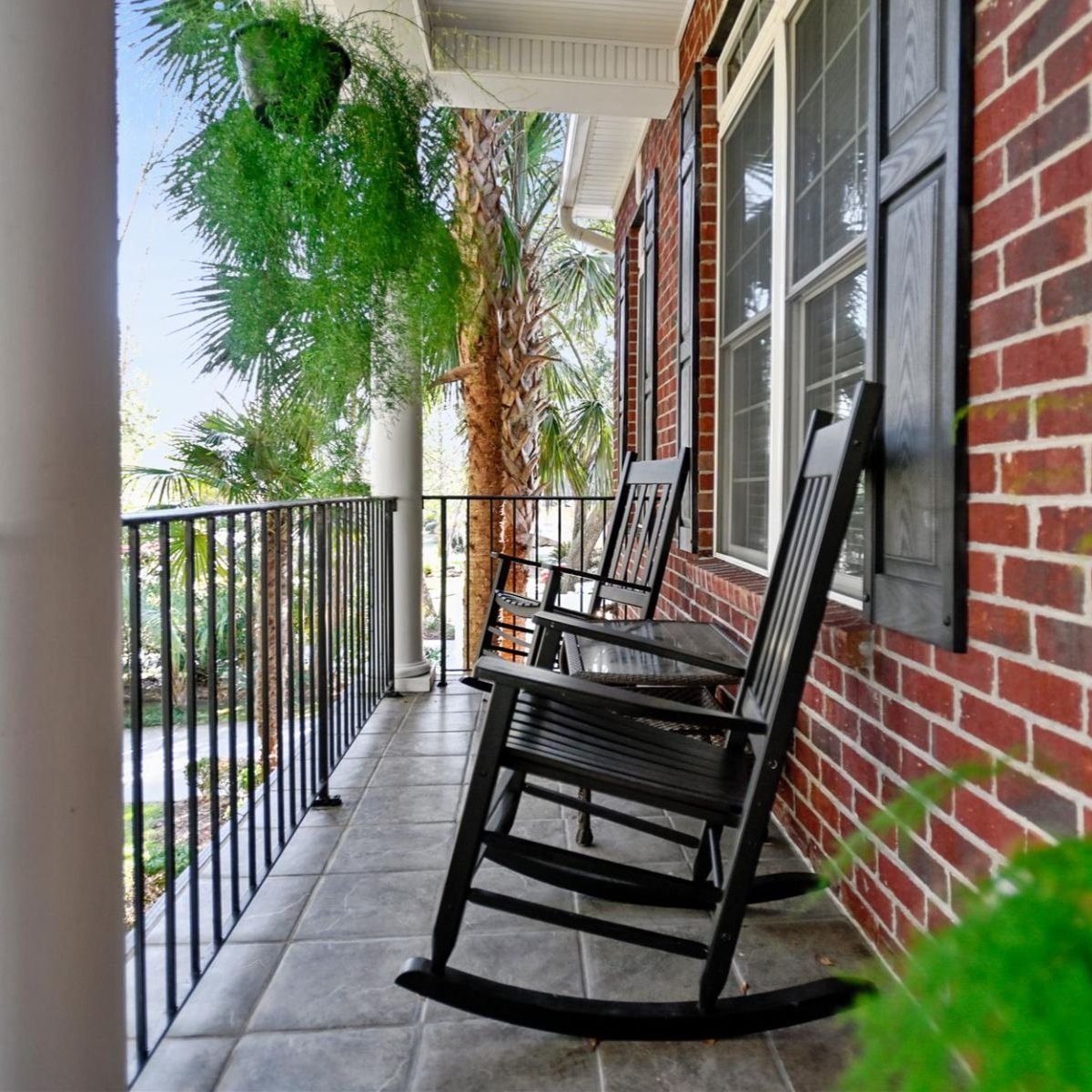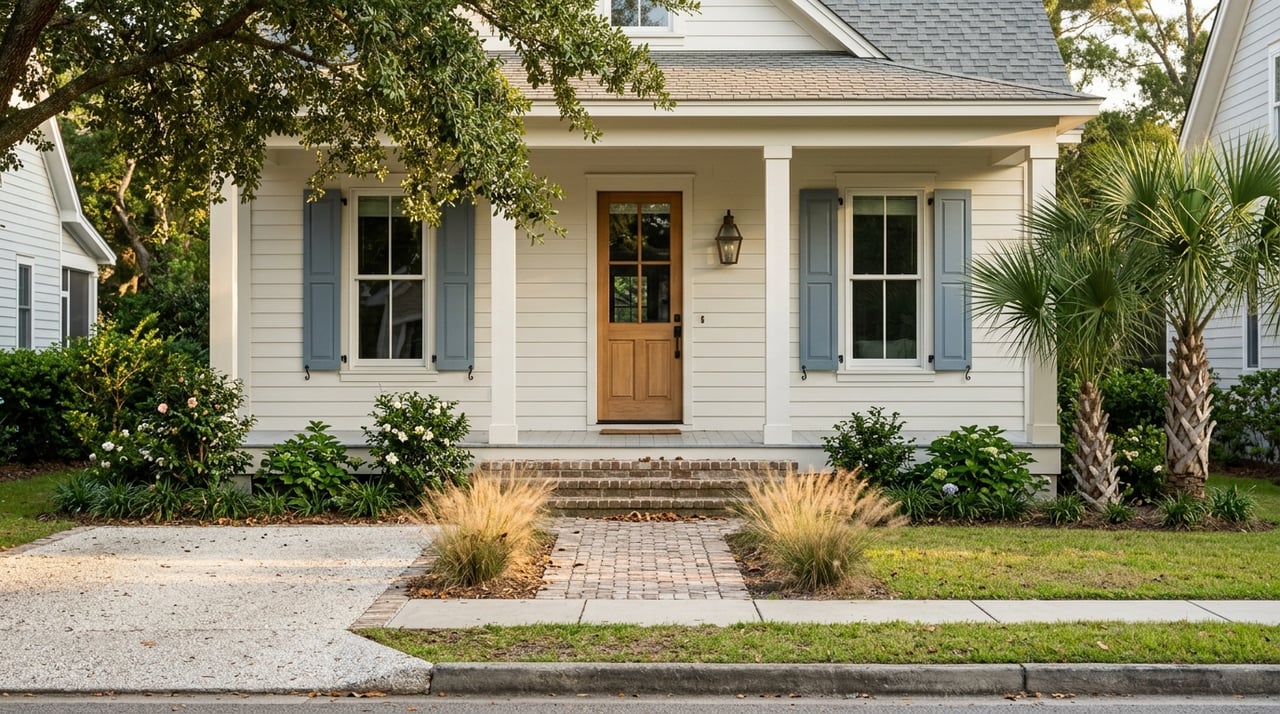
Wondering why two homes with similar price tags in Mount Pleasant can have very different monthly costs? In 29464, the purchase price is only part of the story. If you want to budget with confidence, it helps to understand how taxes, insurance, utilities, HOA dues, and coastal upkeep can change from one neighborhood to the next. Let’s break it down.
Why ownership costs vary in 29464
Mount Pleasant’s 29464 ZIP code is a high-price market by both local and national standards. Redfin reports a median sale price of $934,500 as of March 2026, with homes taking about 70 days to sell and closing around 3% below list on average.
That big-picture number is useful, but it does not tell you what you will actually pay each month. A detached home, townhome, and condo can all create very different ownership budgets, even when the list prices look close.
Detached homes usually place more of your monthly cost into mortgage, taxes, insurance, utilities, and ongoing maintenance. Condos and townhomes often shift a larger share of the budget into HOA or regime dues, which can either simplify your monthly expenses or add a meaningful extra line item.
Start with the home type
A realistic budget begins with understanding what kind of property you are buying. In 29464, current active listings show a wide spread across property types, which helps explain why carrying costs can feel so different from one neighborhood to another.
Detached homes are currently ranging from about $699,000 to $5.9 million. Townhomes are ranging from about $359,000 to $1.159 million, while condos are ranging from about $295,000 to $1.825 million.
If you are comparing neighborhoods, this matters because your monthly costs do not rise in a straight line with the sales price. A lower-priced condo with a high regime fee can feel similar month to month to a higher-priced home with lower dues, especially if the condo fee covers services you would otherwise pay separately.
Property taxes in Mount Pleasant
Property taxes are one of the most important recurring ownership costs to estimate early. In South Carolina, real estate taxes are based on an assessment ratio applied to the property’s fair market value, then multiplied by the applicable millage rate.
The current assessment ratio is 4.0% for a primary residence and 6.0% for other real estate. Charleston County’s tax estimator also identifies 6% as the rate for a non-primary residence or other real property, which can make a noticeable difference for second-home buyers or owners who do not qualify for primary residence treatment.
Mount Pleasant’s FY 2026 budget ordinance sets the town millage at 34.7 mills for operations and 9.6 mills for debt, for a total of 44.3 mills. Your final tax bill can also include county and school millage, along with any credits or exemptions that apply.
That means two buyers looking at the same sales price may still face different tax outcomes depending on how the property will be used. Before you assume a monthly payment works for your budget, it is smart to verify the parcel-specific estimate.
HOA and regime fees can change everything
In many Mount Pleasant neighborhoods, HOA or regime fees are where the numbers start to separate. These fees vary widely, and they can dramatically affect how affordable a property feels each month.
Recent examples in 29464 show just how broad the range can be. Reported monthly fees include about $150.41 in Simmons Point II, $266 at Bay Club Sea Lofts, $446 in Hidden Cove, roughly $534 to $536 in Heritage Village and on Center Street, and $892 for a luxury marshfront condo on Cooper River Drive.
The amount alone does not tell the whole story. Some communities bundle exterior insurance, exterior maintenance, termite bond, water, sewer, trash, cable, internet, parking, common-area upkeep, or amenities into the monthly fee.
That is why you should not compare dues in isolation. A higher monthly fee may cover expenses you would otherwise pay separately, while a lower fee may leave you responsible for more out-of-pocket costs.
Utilities and local services to budget for
Utilities are another category that buyers sometimes underestimate. A recent Mount Pleasant benchmark for a typical household using 1,000 kWh of electricity and 5,000 gallons of water puts total monthly utilities at about $280.12.
That estimate includes about $164.32 for electric, $45.55 for water, and $70.25 for sewer. In that benchmark model, trash is listed at $0.
The Town of Mount Pleasant provides weekly curbside garbage and trash collection, and Charleston County provides curbside recycling. Still, in some condo or townhome communities, part of your water, sewer, trash, or other services may already be included in the association dues.
This is one reason a neighborhood-by-neighborhood review matters. You want to know whether you are looking at separate utility bills or a bundled ownership model.
Flood insurance and stormwater costs
In coastal areas like Mount Pleasant, flood-related expenses deserve real attention. Standard property insurance does not cover floods, and the town notes that it participates in the National Flood Insurance Program.
Mount Pleasant also notes that its Community Rating System Class 6 status gives residents a 20% premium reduction on flood insurance. That can help, but it does not mean flood insurance is optional or inexpensive in every case.
Redfin climate data for 29464 says 73% of properties are at risk of severe flooding over the next 30 years. Even if you are not shopping directly on the water, flood exposure can still influence insurance decisions and long-term ownership costs.
You should also know that Mount Pleasant bills stormwater program fees through Charleston County’s tax billing system. That means stormwater is part of the broader ownership picture, not just an occasional maintenance concern.
Coastal upkeep adds real monthly value planning
Owning in Mount Pleasant often means planning for more than the basics. Coastal conditions can create recurring upkeep needs that may not be obvious during your first online home search.
Clemson Extension notes that South Carolina’s humid climate can contribute to mildew and moisture damage. It also recommends keeping moisture away from the foundation because damp conditions can encourage structural problems and pests such as termites and roaches.
Termites are widespread in South Carolina, and Clemson notes that nearly all infestations require a licensed pest-management professional. That helps explain why termite protection and routine pest service are common budget items for many local owners.
Exterior wear also tends to be more important in coastal settings. Even if a property looks move-in ready, it is wise to plan for ongoing maintenance instead of assuming your costs stop at closing.
Floodplain rules can affect future costs
If you plan to renovate, expand, or rebuild over time, local floodplain rules matter. Mount Pleasant says new FEMA flood maps and its revised flood ordinance became effective on January 29, 2021.
The town also states that the Design Flood Elevation changed from Base Flood Elevation plus 1 foot to Base Flood Elevation plus 2 feet. It further notes that a Coastal A Zone is now regulated like a VE Zone, and elevation certificates are required for structures in Special Flood Hazard Areas.
For you as a buyer, this means flood-related compliance may affect more than insurance. It can influence the cost and feasibility of future remodeling, additions, and major repairs.
Neighborhood systems and shared expenses
Some ownership costs are tied to community infrastructure, not just your individual home. Mount Pleasant identifies both localized flooding and storm-surge flooding as hazards, which makes drainage and stormwater management important topics in many neighborhoods.
Clemson Extension notes that in many South Carolina neighborhoods, stormwater ponds are owned and maintained by the HOA rather than the city. If that applies in a community you are considering, pond or drainage work can become a shared association expense over time.
For marshfront or tidal lots, shoreline exposure can also create added maintenance considerations. Clemson’s coastal guidance notes that residents may face shoreline erosion and water-management concerns, and stabilization work may become part of long-term planning.
How to build a realistic monthly budget
If you want to compare neighborhoods clearly, keep your budget simple and complete. A practical Mount Pleasant ownership budget should usually include:
- Principal and interest
- Property taxes
- Homeowners insurance
- Flood insurance, where applicable
- HOA or regime dues
- Utilities
- Maintenance reserve
For condos and townhomes, review what the dues include before making side-by-side comparisons. A fee that looks high at first glance may include insurance, exterior maintenance, trash, water, or other services that reduce your separate monthly bills.
For detached homes, be careful not to underestimate upkeep. Larger lots, exterior systems, drainage issues, termite protection, and coastal wear can all add to your long-term costs.
The smartest next step before you buy
The best budgeting move is not guessing. It is verifying.
Before you commit to a property in 29464, run the parcel through Charleston County’s tax estimator and review the HOA or regime documents carefully. You want to see what is included, what is excluded, and whether special coastal or flood-related costs could affect your monthly comfort level.
When you understand the full ownership picture, you can make a stronger decision about both the home and the neighborhood. If you want help comparing Mount Pleasant options and translating list price into a realistic monthly plan, Andrew Scherl can help you sort through the details with a local, hands-on approach.
FAQs
What ownership costs should buyers budget for in Mount Pleasant 29464?
- A realistic budget should usually include principal and interest, property taxes, homeowners insurance, flood insurance where needed, HOA or regime dues, utilities, and a maintenance reserve.
How do HOA or regime fees affect Mount Pleasant monthly costs?
- HOA or regime fees can vary widely in 29464 and may include items like exterior insurance, maintenance, water, sewer, trash, termite bond, cable, internet, parking, or amenities, so they can significantly change your true monthly cost.
Why can two similarly priced homes in Mount Pleasant have different monthly payments?
- The difference often comes from property taxes, insurance needs, flood exposure, utility setup, and whether the property has HOA or regime dues that bundle major services.
Do Mount Pleasant buyers need to think about flood insurance outside waterfront areas?
- Yes. Flood-related costs deserve attention across 29464 because standard property insurance does not cover floods, and local risk can affect many properties beyond the immediate waterfront.
How are property taxes calculated for homes in South Carolina?
- South Carolina applies an assessment ratio to a property’s fair market value and then multiplies that amount by the local millage rate, with 4.0% for primary residences and 6.0% for other real estate.
What local upkeep costs are common for Mount Pleasant homes?
- Common ownership considerations include moisture management, termite protection, pest service, drainage concerns, and ongoing exterior maintenance related to the coastal climate.